


Case Study
CASE STUDY
SECTOR:
LOCATION:
SIZE:
KEYS TO THE PROJECT:
- Preliminary selective wall demolition exposed steel elements inside the walls that were previously unknown to the design team
- Value management saved the client $2.1 million total
- Close communication with designers and architects allowed for minimal schedule disruptions and maximum value management

Services_CS_Detroit Foundation Hotel_3_GatheringSpace_web
Gathering Space
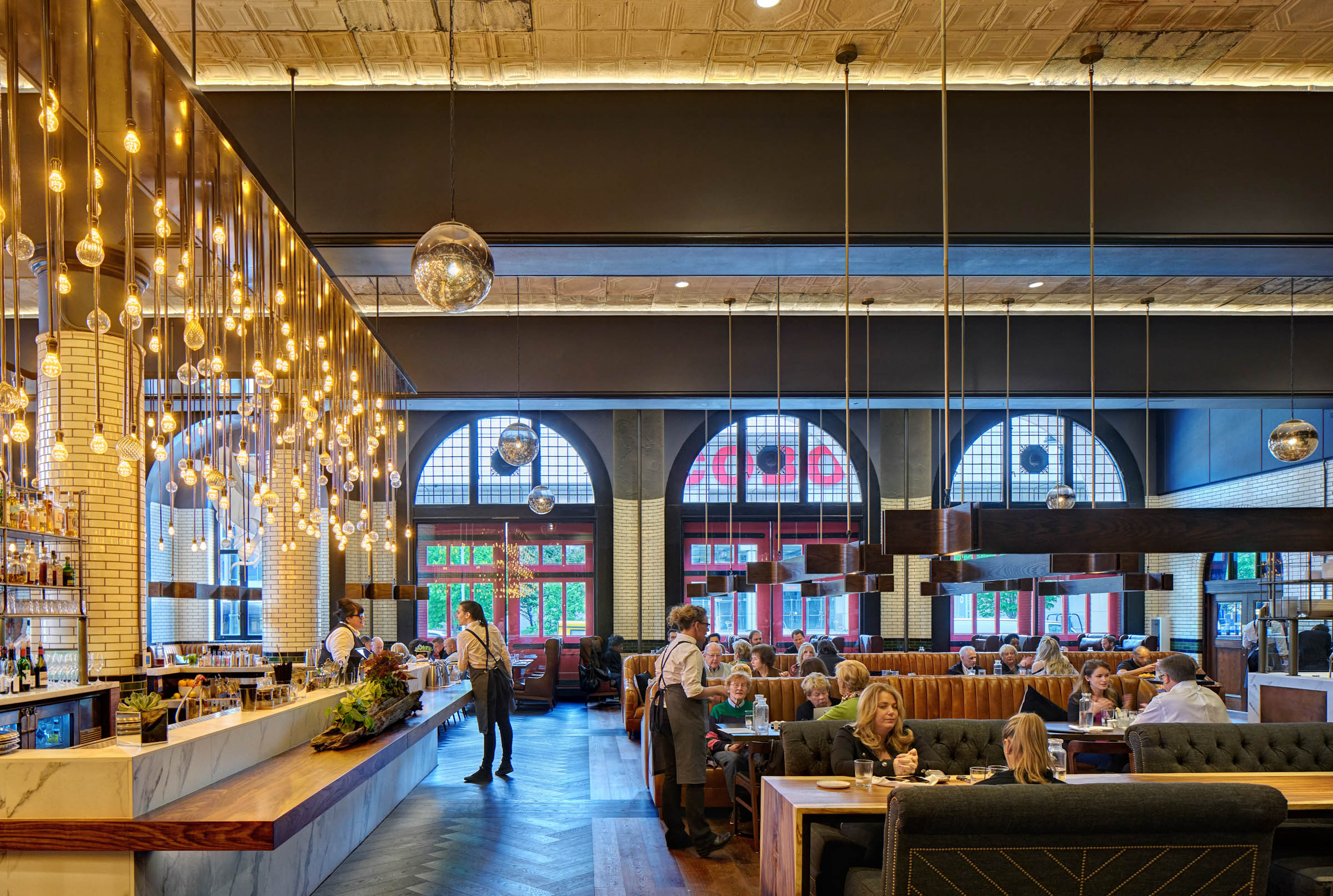
Services_CS_Detroit Foundation Hotel_2_Restaurant_web
The Apparatus Room
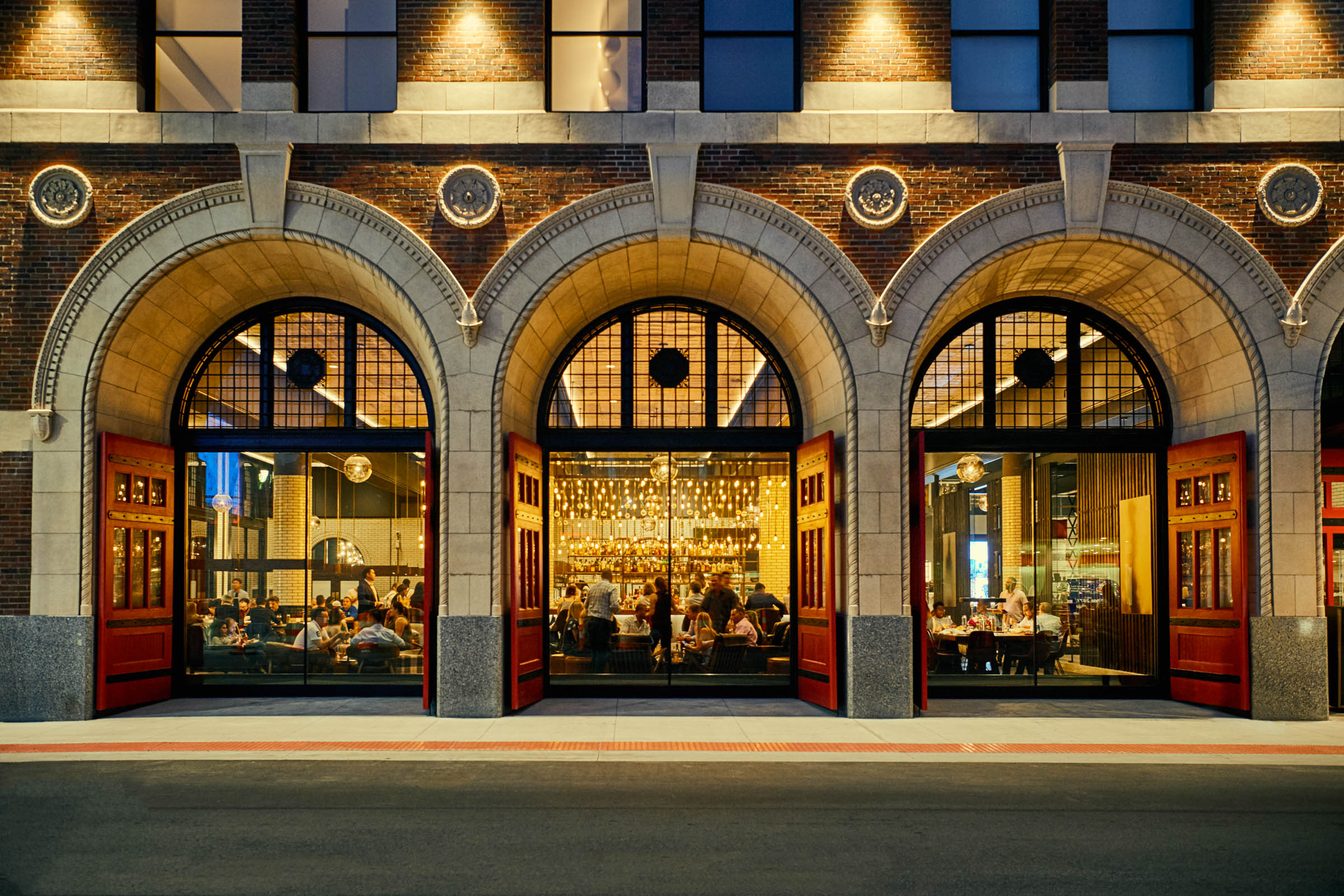
Services_CS_Detroit Foundation Hotel_1a_Exterior2_web
Entrance
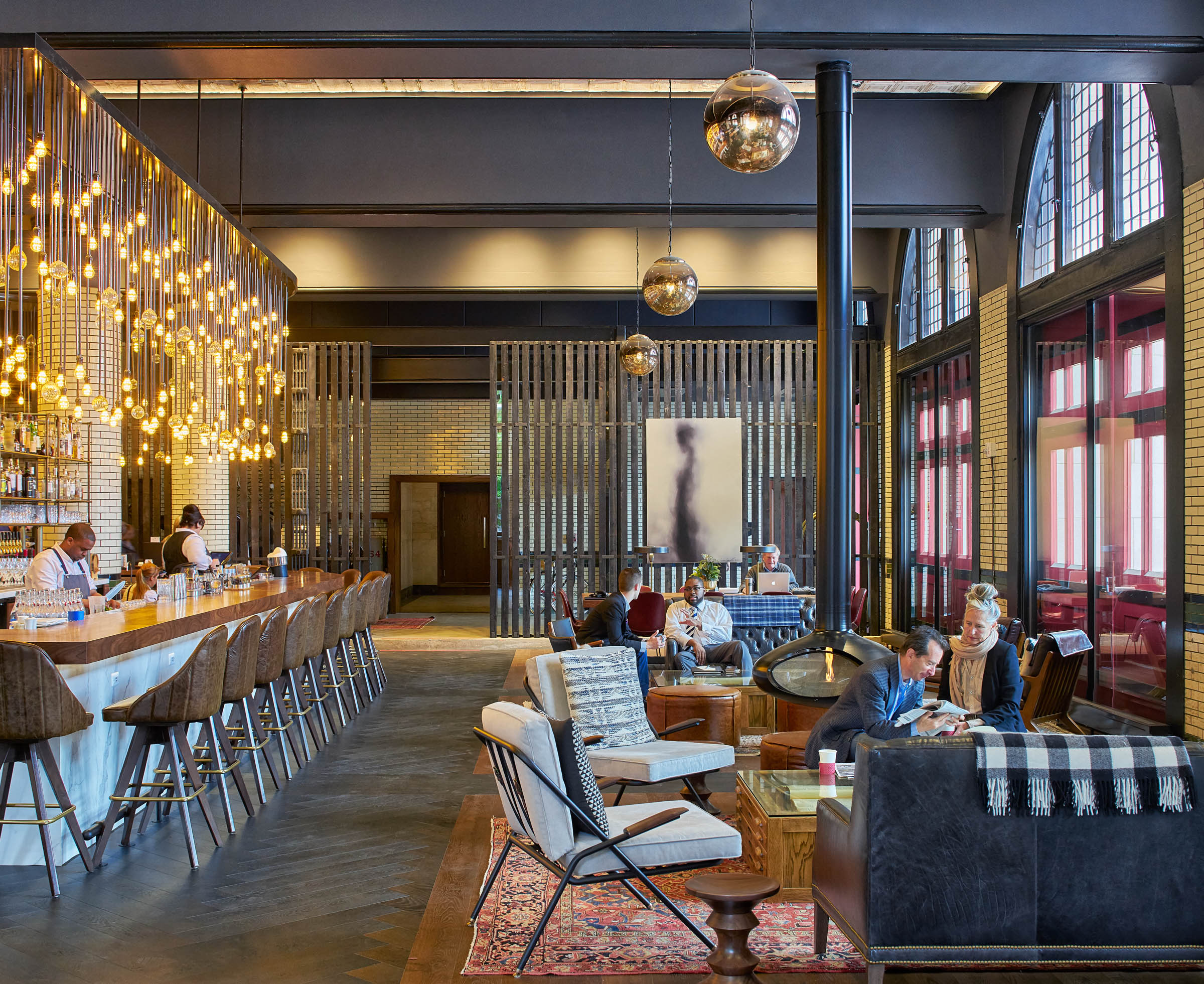
Services_CS_Detroit Foundation Hotel_7_Bar_web
Bar Area
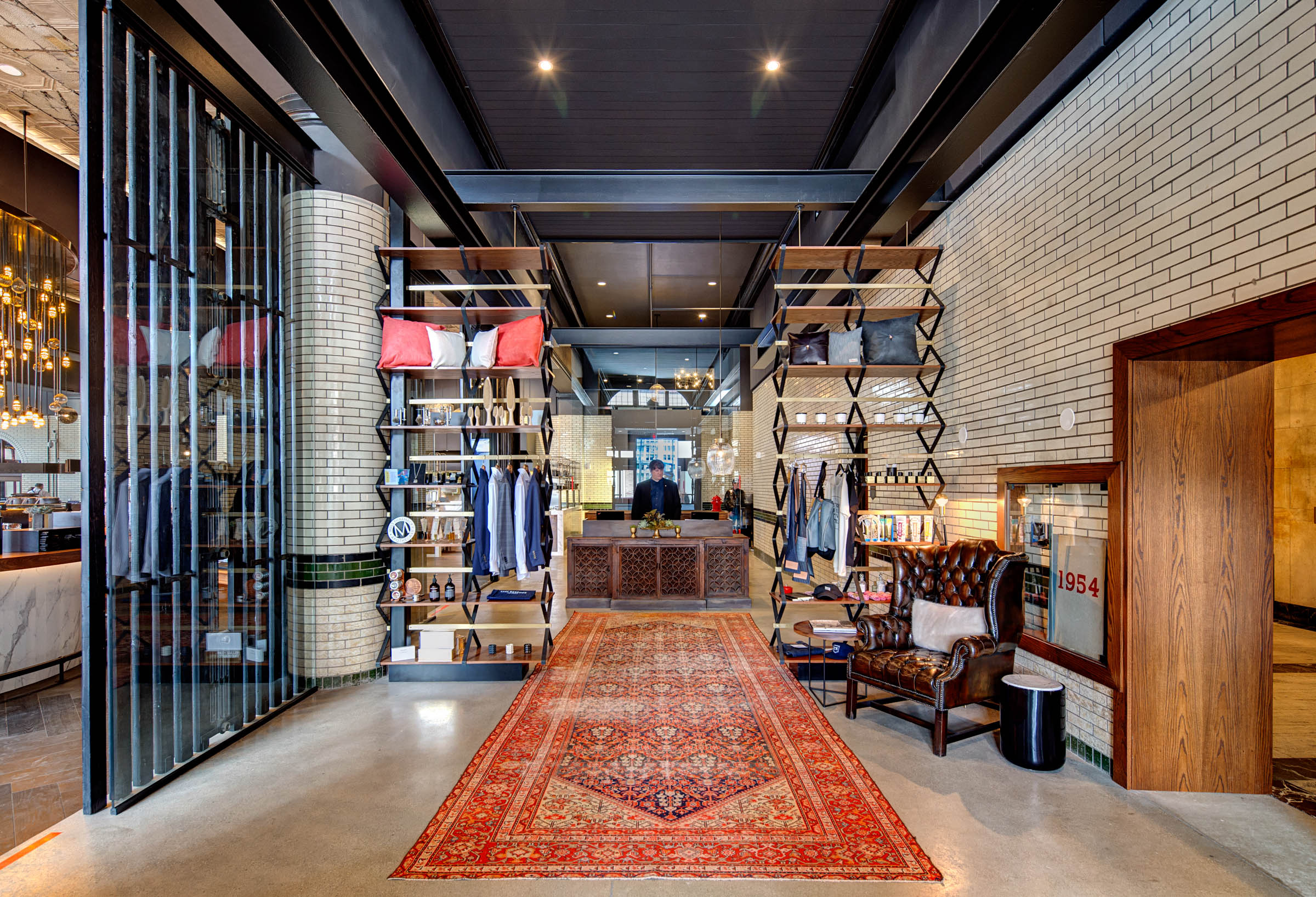
Services_CS_Detroit Foundation Hotel_6_Lobby_web
Lobby
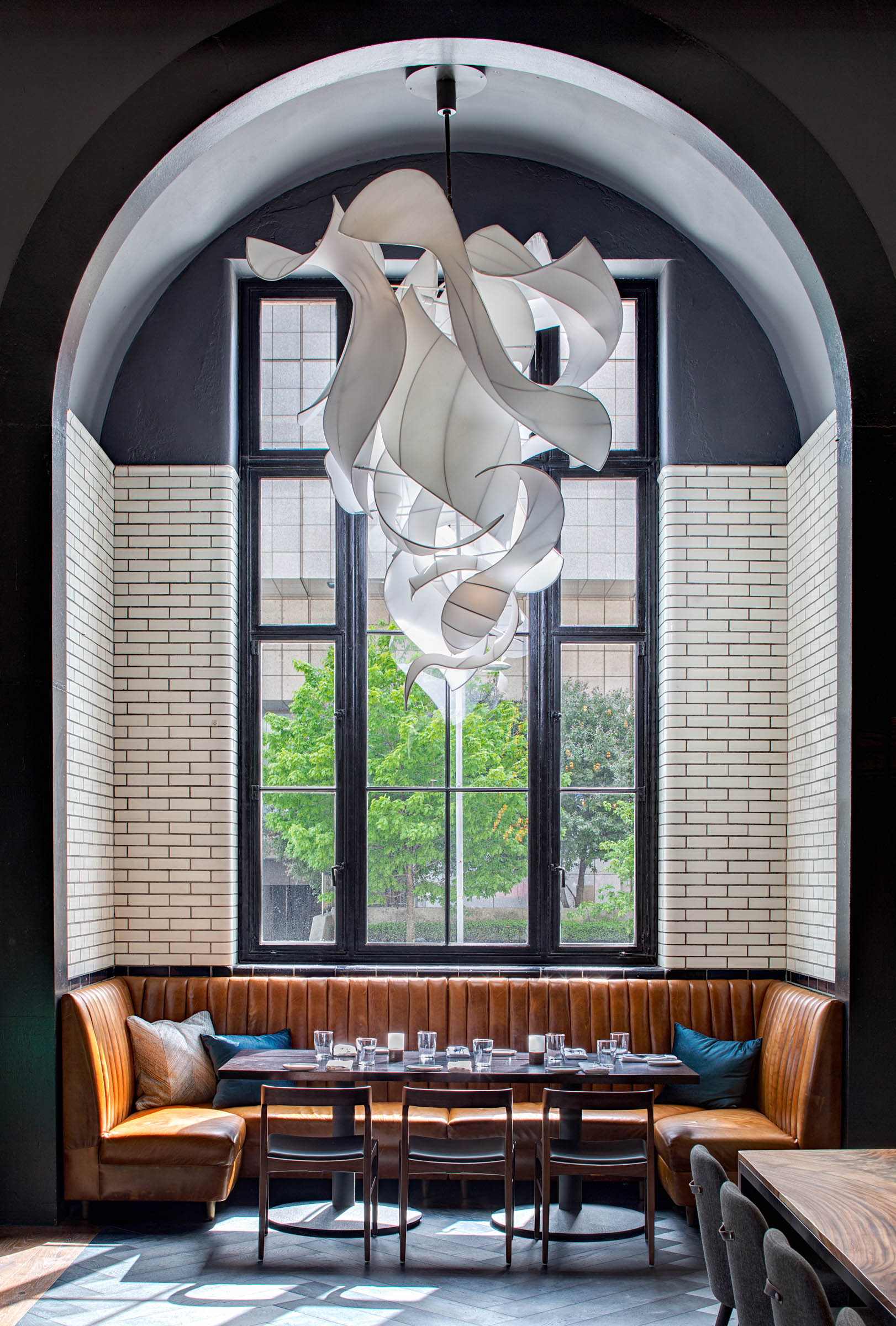
Services_CS_Detroit Foundation Hotel_5_Nook_web
Seating Nook
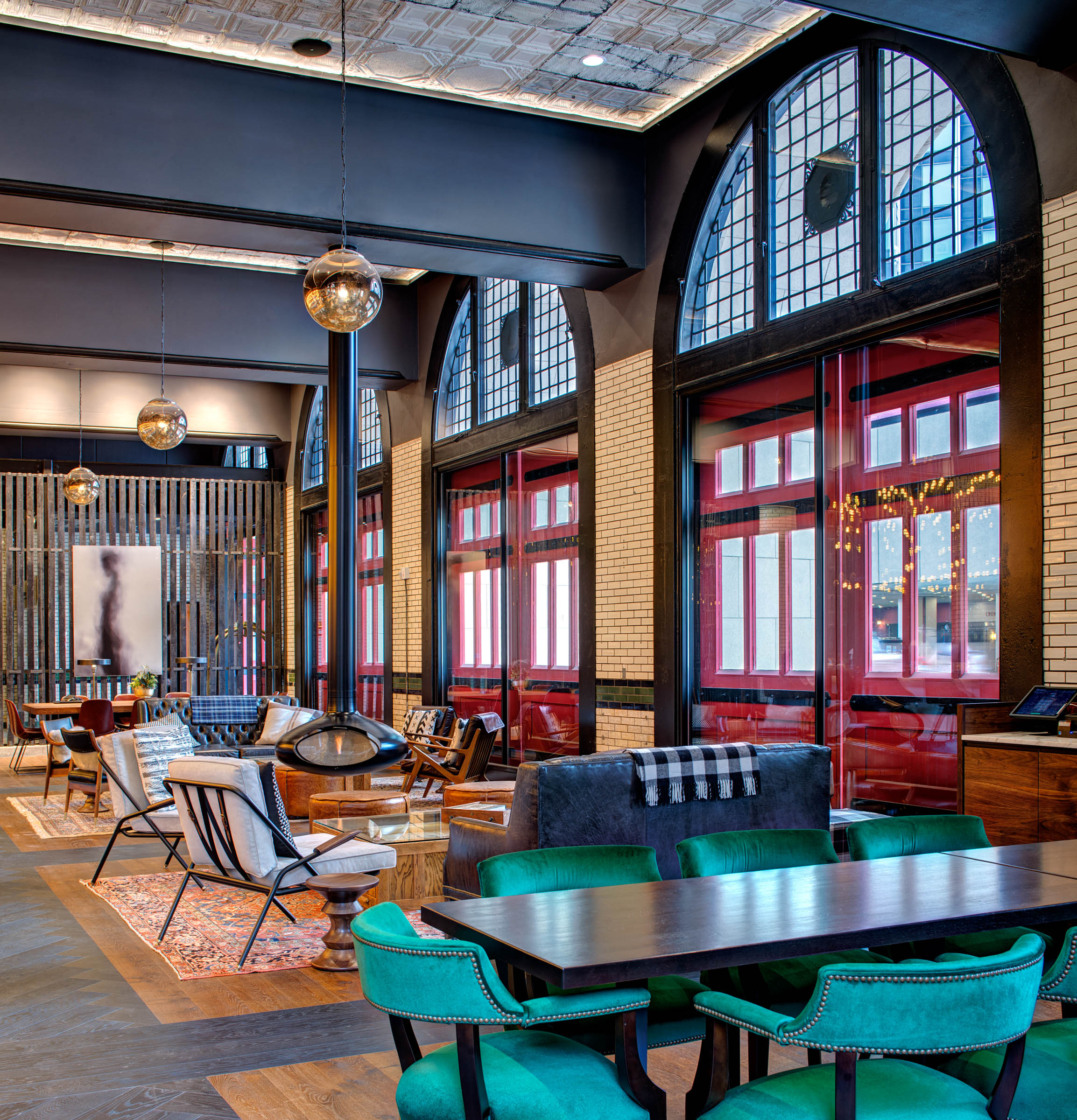
Services_CS_Detroit Foundation Hotel_4_Dining_web
Dining Area
Sachse Construction works hand-in-hand with clients, architects, designers, and engineers to provide value management for various projects. The team achieves this level of partnership by reviewing all drawings and specifications to improve efficiency and constructability as well as maintaining an active engagement with all members of the preconstruction team, including the architect and key trade partners, for large and major building systems scopes.
Sachse Construction was hired to convert the former Detroit Fire Department headquarters into a 100-key boutique hotel known as the Detroit Foundation Hotel. Through innovative techniques during the preconstruction phase, Sachse Construction was able to save the client $2.1 million.

ELEVATOR DEMOLITION
Several small-scale selective demolitions and exploratory evaluations assisted the design team in value engineering certain aspects of the project.
The project team performed several small-scale selective demolitions and exploratory evaluations that assisted the design team in value engineering certain aspects of the project. The mechanical shafts were just one element that received value engineering throughout the project.
Initially, the new building design included 68 mechanical shafts in bathrooms for plumbing risers, serving fixtures, and mechanical equipment. This required structural steel, fireproofing, concrete saw-cutting and removal, and shaft-wall assemblies to create the openings. Sachse Construction proposed removing the shafts by utilizing concrete cores through the concrete slab for the transfer of piping. The team utilized offset toilets to avoid beams in 7 of 100 locations.
With this approach, the design team was able to eliminate steel, fireproofing, shaft-wall, and concrete cutting and removal for an approximate savings of $351,000. Upon completion, the bathrooms and mechanical operations looked and performed the same as they were initially designed.
Other areas that received value management include but are not limited to:
- Structural steel and cold form framing
- Drywall partition executed with standard one-hour assembly
- Elevators: move exhaust fan, eliminate steel, and eliminate rear doors
- HVAC system revision: heat pump used in place of a four-pipe system